

Did you know that receiving aggressive medical treatments during the final weeks of life often leads to more hospitalizations and less comfort? Research indicates that continuing certain cancer therapies near the end of life can actually increase acute care visits and lower hospice utilization [5]. This is where understanding palliative end of life care becomes essential. It is a specialized medical approach designed to improve the quality of life for individuals facing serious, life-limiting illnesses.
By focusing on comfort, symptom management, and emotional support rather than solely seeking a cure, this type of care ensures that patients and their families experience dignity and peace during a challenging time. As healthcare systems evolve in 2026, the options and models for delivering this care are expanding, making it more accessible than ever before.
Key Takeaways
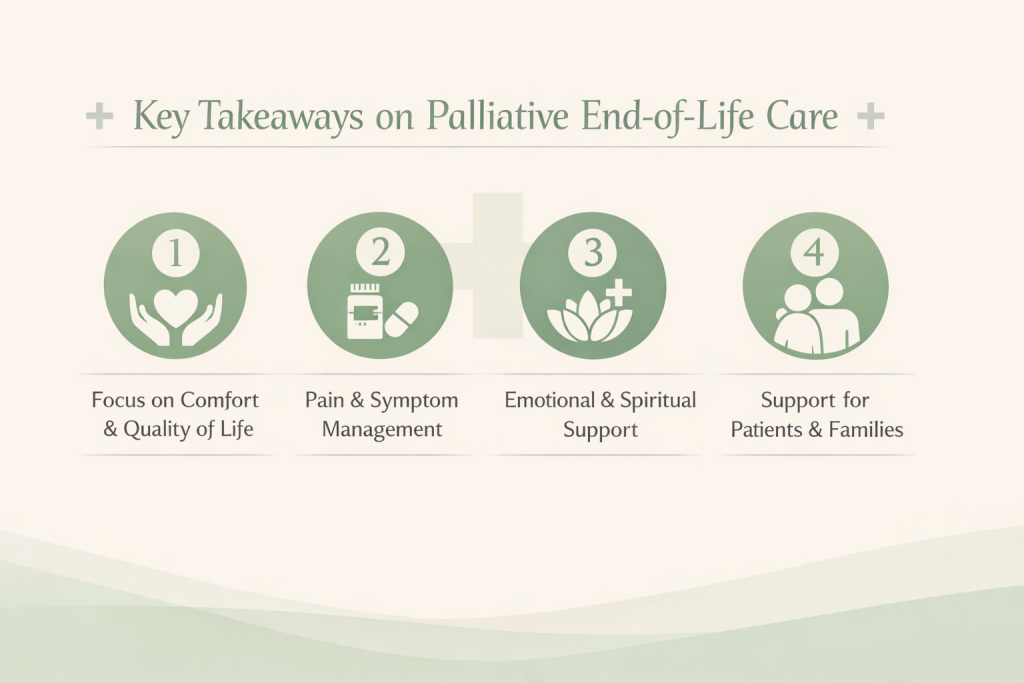
- Focus on Quality of Life: Palliative end of life care prioritizes comfort, pain relief, and emotional well-being over curative treatments.
- Distinct from Hospice: While hospice is specifically for the final six months of life, palliative care can begin at any stage of a serious illness.
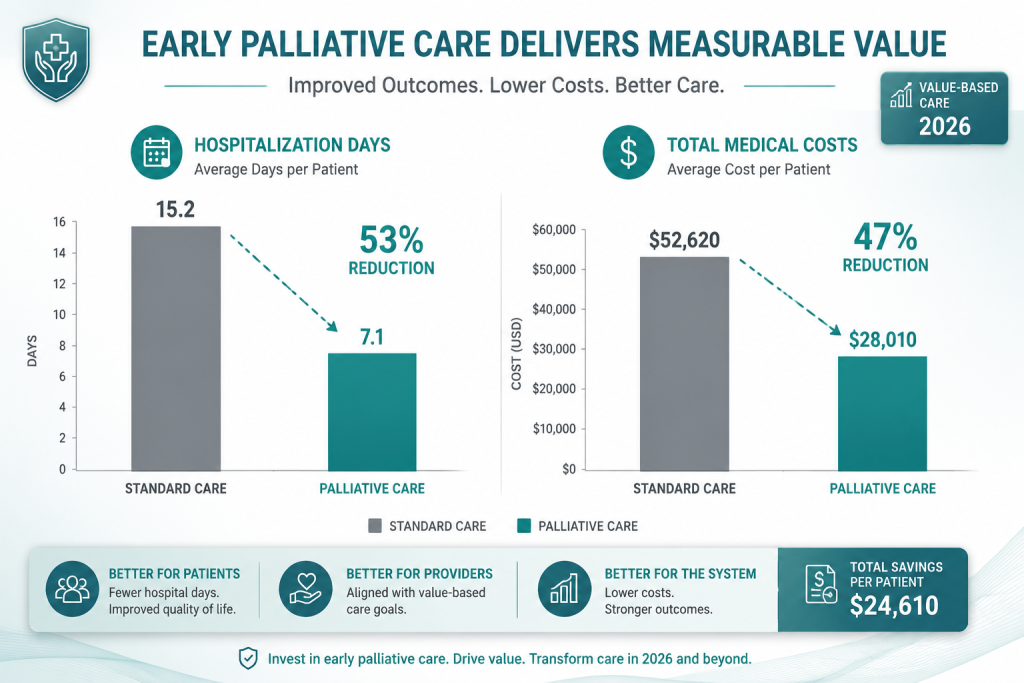
- Cost and Care Benefits: Early integration of these services is linked to shorter hospital stays and reduced medical costs [2].
- 2026 Healthcare Shifts: New value-based models and Medicaid funding updates are driving significant changes in how these services are delivered and covered this year [6][9].
- Holistic Support: The care extends beyond the patient, offering vital emotional and logistical support to families and caregivers.
What Is Palliative End of Life Care?
Palliative end of life care is a comprehensive approach to treating individuals with serious or terminal illnesses. The primary goal is not to cure the underlying disease but to prevent and relieve suffering. This means aggressively managing physical symptoms like pain, shortness of breath, nausea, and fatigue. It also involves addressing the psychological, social, and spiritual needs of the patient and their family.
The American Medical Association highlights an ethical obligation for physicians to assure effective palliative care, recognizing that healing does not always mean curing a disease [7]. This care is provided by a specialized team of doctors, nurses, social workers, and sometimes chaplains or nutritionists. They work together to create a personalized care plan that aligns with the patient’s values and goals.
Core Principles of Palliative Care
Understanding the foundation of this care helps clarify its purpose. The core principles include:
- Relief of Suffering: Aggressively treating pain and other distressing symptoms.
- Communication: Ensuring clear, honest discussions about the illness, prognosis, and treatment options.
- Autonomy: Respecting the patient’s right to make informed decisions about their own care.
- Holistic Approach: Treating the whole person, body, mind, and spirit, not just the disease.
- Family Support: Providing resources, counseling, and respite for caregivers.
The Difference Between Palliative Care and Hospice
People often use the terms palliative care and hospice interchangeably, but they are not the same thing. Both focus on comfort and quality of life, but the timing and eligibility requirements differ significantly.
Palliative care can begin at any time during a serious illness. A patient can receive palliative care while simultaneously undergoing curative treatments, such as chemotherapy or radiation. It acts as an extra layer of support to help manage side effects and improve daily life.
Hospice care, on the other hand, is a specific type of palliative end of life care. It begins when a patient decides to forego curative treatments and a physician certifies that the life expectancy is six months or less if the disease follows its normal course. Hospice focuses entirely on comfort and symptom management in the final months of life [1].
Palliative care is about adding life to days, not just days to life. It ensures that patients live as fully as possible, surrounded by the support they need.
How Palliative End of Life Care Helps Families and Patients
The impact of palliative end of life care extends far beyond physical symptom relief. It provides a safety net for both the patient and their loved ones, addressing the complex challenges that arise during a serious illness.
Emotional and Psychological Support
A serious diagnosis brings a wave of fear, anxiety, and depression. Palliative care teams include social workers and counselors who help patients process these emotions. They also guide families through the difficult conversations surrounding end-of-life wishes, ensuring everyone is on the same page.
Social isolation is a significant risk for seniors dealing with severe health conditions. Finding meaningful ways to stay connected is vital. For more insights, explore these two ways to connect with seniors in social isolation.
Physical Symptom Management
Uncontrolled pain is one of the greatest fears for patients facing life-limiting illnesses. Palliative care specialists are experts in pain management. They use a combination of medications, physical therapies, and complementary treatments to keep patients comfortable. Managing symptoms like nausea, loss of appetite, and difficulty breathing allows patients to spend their remaining time engaging in activities they love, rather than suffering in a hospital bed.
Proper nutrition also plays a role in comfort and strength. Consulting a professional can make a big difference; learning what is a geriatric nutritionist and why an elderly needs one can provide valuable guidance for maintaining strength during illness.
Navigating the Costs: Medicare and Medicaid in 2026
One of the biggest concerns families face is how to pay for end-of-life care. Fortunately, the landscape in 2026 is shifting to make these services more accessible and affordable.
Medicare Hospice Benefit Updates
In the United States, the Medicare hospice benefit covers almost all aspects of end-of-life care, including medical equipment, medications for symptom control, and nursing visits. Updates for 2026 continue to refine how these benefits are unlocked and utilized, ensuring patients get the most out of their coverage [1]. Navigating these benefits can feel overwhelming, but palliative care teams often have financial coordinators to help families understand their options.
Medicaid and State-Level Innovations
Medicaid is also playing a crucial role in expanding access. Value-based models and Medicaid funding are driving significant changes in 2026, encouraging providers to offer community-based palliative services rather than relying solely on hospital settings [6][9].
For example, New Jersey has implemented new rules for end-of-life planning, introducing a community-based palliative care benefit that gives residents more choices for where and how they receive care [4]. This shift allows patients to remain in their homes, surrounded by familiar comforts.
| Feature | Palliative Care | Hospice Care |
|---|---|---|
| Eligibility | Any stage of serious illness | Terminal diagnosis (6 months or less) |
| Curative Treatment | Can continue alongside care | Stopped; focus is entirely on comfort |
| Setting | Hospital, clinic, or home | Usually home, or dedicated facility |
| Primary Goal | Symptom relief and quality of life | Comfort, dignity, and support in final days |
The Shift Toward Value-Based Palliative Care Models
The healthcare industry is moving away from fee-for-service models, where providers are paid for each test or procedure. Instead, value-based models reward providers for improving patient outcomes and reducing unnecessary hospitalizations. This shift is particularly impactful for palliative end of life care in 2026.
Reducing Costs and Hospitalizations
Studies consistently show that palliative care is associated with shorter hospitalizations and reduced medical costs [2]. By managing symptoms effectively at home or in outpatient settings, patients avoid expensive emergency room visits and intensive care unit stays. Value-based models incentivize healthcare systems to invest in these proactive, comfort-focused services because they ultimately save money while improving the patient experience [9].
System-Level Integration
This shift is not limited to the United States. In the UK, Integrated Care Systems now have a system-level requirement to commission palliative and end-of-life services [8]. This means local health authorities are mandated to ensure these services are available and adequately funded for their communities.
Leaders in the field note that 2026 is a pivotal year for end-of-life care, with a growing emphasis on patient autonomy and expanding access to diverse care options [3]. As more systems adopt these integrated, value-based approaches, families will find it easier to access the support they need without facing financial ruin.
How to Access Palliative End of Life Care Services
Accessing these services often starts with a simple conversation. Many people wait too long to begin palliative care, mistakenly believing it is only for the very last days of life. Starting early provides the most benefit.
Starting the Conversation Early
Patients or family members should bring up the topic with the primary care physician or treating specialist as soon as a serious diagnosis is made. Asking questions like, “How can we manage the side effects of this treatment?” or “What support is available for our family?” opens the door to a palliative care referral.
Choosing the Right Environment
Where a person receives care matters deeply. Some may choose to remain in their own home, adapting the space for safety and comfort. Understanding the pros and cons of retirement village living can help families decide if a community setting offers the right balance of support and independence.
For those wishing to stay at home, exploring options like pet-friendly home care can make a significant difference in a patient’s emotional well-being, allowing them to keep beloved companions by their side.
Building a Support Network
A palliative care team will help coordinate medical needs, but families also need a broader support network. This might involve community groups, friends, or financial planners. Managing the cost of care is crucial, so reviewing a retirement savings account guide or planning your retirement income can help families budget for out-of-pocket expenses not covered by insurance.
Conclusion
Navigating a serious illness is one of life’s most difficult journeys, but no one has to walk it alone. Palliative end of life care offers a compassionate, patient-centered approach that prioritizes comfort, dignity, and quality of life. By understanding the difference between palliative and hospice care, recognizing the financial support available through Medicare and Medicaid in 2026, and starting conversations early, families can make informed decisions that honor their loved one’s wishes.
Actionable Next Steps:
- Talk to a Doctor: Ask the primary care physician for a palliative care consultation if a serious diagnosis has been made.
- Review Insurance: Check current Medicare or Medicaid coverage to understand what home health and palliative services are included.
- Document Wishes: Ensure advance directives and living wills are up to date and shared with family members.
- Assess the Home: Make necessary modifications to ensure the home is safe, comfortable, and accessible for the patient.
References
[1] Hospice Help Unlocking Your Medicare Benefits In 2026 – https://wecanhelpyou.org/hospice-help-unlocking-your-medicare-benefits-in-2026/
[2] Study Shows Palliative Care Associated With Shorter Hospitalizations And Reduced Medical Costs – https://www.masseycancercenter.org/news/study-shows-palliative-care-associated-with-shorter-hospitalizations-and-reduced-medical-costs/
[3] A Note From The Ceo What To Expect In End Of Life Care In 2026 – https://compassionandchoices.org/blog/a-note-from-the-ceo-what-to-expect-in-end-of-life-care-in-2026/
[4] New Rules For End Of Life Planning And Palliative Care In Nj – https://www.njspotlightnews.org/2020/01/new-rules-for-end-of-life-planning-and-palliative-care-in-nj/
[5] End Of Life Cancer Therapy Increases Acute Care And Lowers Hospice – https://medicine.yale.edu/publication-details/end-of-life-cancer-therapy-increases-acute-care-and-lowers-hospice/
[6] Value Based Models Medicaid Driving Palliative Care Changes In 2026 – https://www.capc.org/blog/value-based-models-medicaid-driving-palliative-care-changes-in-2026/
[7] Palliative Care Summary Recommendations August 2024 – https://goalsofcare.org/wp-content/uploads/Palliative-Care-Summary-Recommendations-August-2024.pdf
[8] Palliative Care Cab Jan 2026 New – https://www.knowledge.scot.nhs.uk/media/xu1dkuln/palliative-care-cab-jan-2026-new.pdf
[9] Value Based Models Medicaid Driving Palliative Care Changes In 2026 – https://hospicenews.com/2026/02/23/value-based-models-medicaid-driving-palliative-care-changes-in-2026/
[10] Pmc7614372 – https://pmc.ncbi.nlm.nih.gov/articles/PMC7614372/