
Nearly one in four older adults experiences social isolation, and the health risks of chronic loneliness rival those of smoking 15 cigarettes a day. Finding effective ways to connect with seniors in social isolation is no longer just a nice-to-have, it’s a public health priority. As communities grow more fragmented and families live further apart, seniors are increasingly at risk of falling through the cracks of daily social life. The good news? There are proven, practical strategies that bridge the gap. This article explores two of the most impactful approaches: leveraging technology and phone-based initiatives, and building community-based connections through group activities and programs.
Key Takeaways
- Social isolation is a health risk comparable to smoking and obesity, making connection a medical priority, not just a social one.
- Technology-based connections, video chats, smart speakers, and structured phone call programs, are highly effective for homebound seniors.
- Community-based programs like group exercise, volunteering, and clubs provide in-person interaction and a renewed sense of purpose.
- A combination of both approaches offers the most robust defense against loneliness.
- Even small, consistent efforts, a weekly call or a monthly walk, can dramatically improve a senior’s well-being.
Way 1: Technology and Phone-Based Ways to Connect with Seniors in Social Isolation
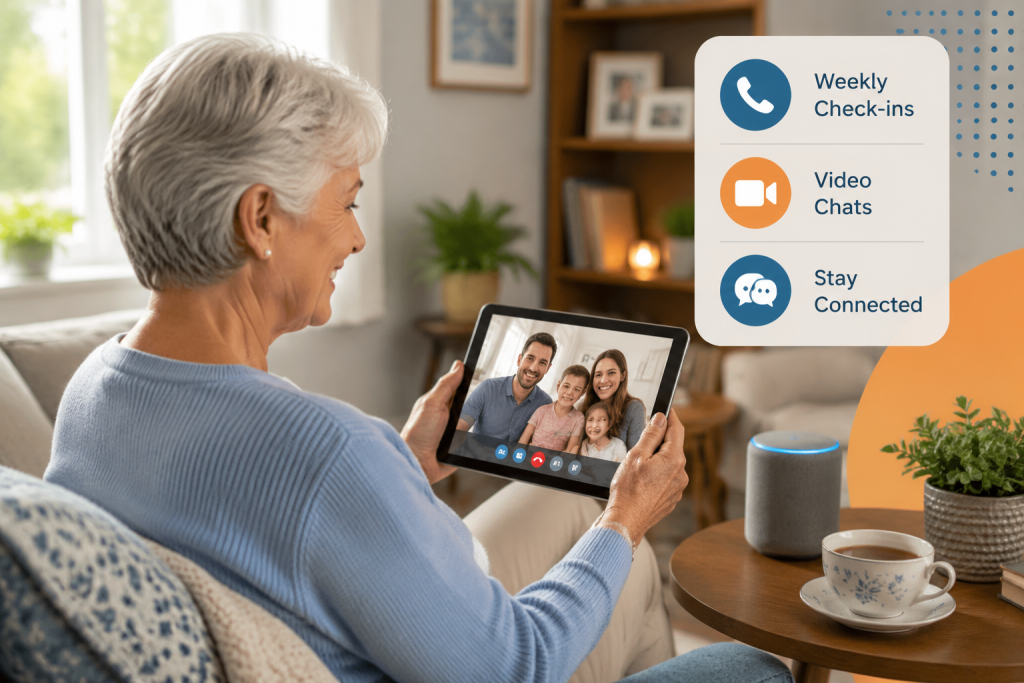
When mobility is limited or distance is a barrier, technology becomes a lifeline. The Centers for Disease Control and Prevention highlights communication technologies, including video chats and smart speakers, as promising tools for helping seniors stay connected [1]. These digital bridges allow older adults to see grandchildren’s faces, join virtual book clubs, or simply hear a friendly voice on a regular schedule.
Video Chats and Smart Speakers
Video calling platforms have become increasingly senior-friendly. Many devices now feature large buttons, voice activation, and simplified interfaces designed specifically for older users. A weekly video call with family can become a cherished ritual that gives seniors something to look forward to.
Smart speakers, too, offer more than just music and weather updates. They can facilitate hands-free communication, remind seniors to take medications, and even serve as conversation partners through voice-activated assistants. For seniors who live alone, simply being able to say “call my daughter” without navigating a phone screen can be empowering.
💡 Quick Tip: When introducing technology to a senior, start with one device and one function. Master that before adding more. Patience and repetition are key.
Structured Phone Call Programs
Not every senior has access to or comfort with video technology. That’s where phone-based initiatives shine. Programs that pair seniors with trained volunteers for weekly companionship calls have proven remarkably effective at reducing loneliness [1]. These aren’t robotic check-ins, they’re genuine conversations about hobbies, memories, current events, and life.
Organizations like Senior Connections match trained volunteers with older adults to create mutually beneficial friendships that reduce feelings of isolation [2]. The beauty of phone-based programs is their simplicity: no internet connection, no device training, no learning curve. Just a phone and a willing conversation partner.
Regular Family Check-Ins
Scheduling daily or weekly check-ins with loved ones through calls, texts, or visits helps maintain strong social ties [8]. The key word here is scheduling. When contact is left to chance, it often doesn’t happen. Setting a specific day and time, “Sunday at 4 PM” or “Tuesday morning after breakfast”, transforms good intentions into reliable routines.
For families looking to deepen connections beyond phone calls, consider exploring things to do in retirement that can be shared virtually or in person, creating common experiences to discuss.
Making Technology Work for Seniors
| Challenge | Solution |
|---|---|
| Vision impairment | Large-screen tablets, voice-activated devices |
| Hearing loss | Captioned video calls, hearing aid-compatible phones |
| Tech anxiety | One-on-one tutorials, simplified interfaces |
| Limited internet access | Phone-based programs, community Wi-Fi access |
The goal isn’t to make seniors tech experts. It’s to use technology as a tool for connection, not an end in itself. When introducing any device, focus on the relationship it enables, not the features it offers.
Way 2: Community-Based Ways to Connect with Seniors in Social Isolation
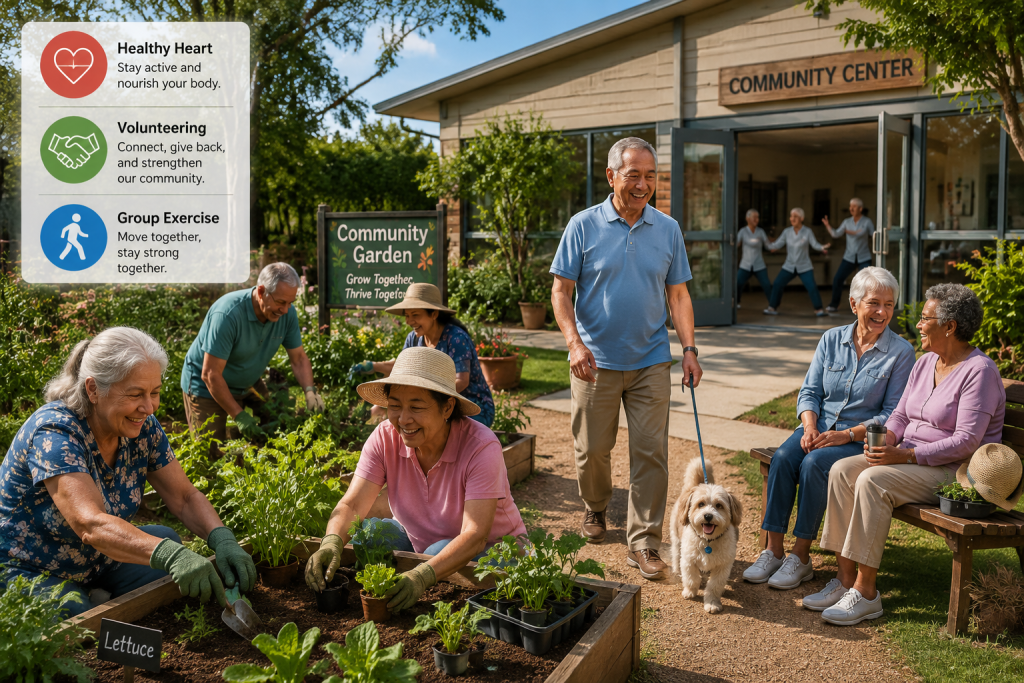
While technology is powerful, nothing quite replaces the energy of in-person interaction. Community-based programs offer seniors the chance to build relationships, stay physically active, and rediscover a sense of purpose. The CDC emphasizes that engaging in group physical activities, such as Tai Chi for Arthritis and the Arthritis Foundation’s exercise program, can significantly enhance social connections among older adults [1].
Group Exercise and Outdoor Activities
Physical activity and social connection are a powerful duo. Walking clubs, gardening groups, and adapted exercise classes get seniors moving while putting them in contact with peers. These activities serve double duty: improving physical health and combating loneliness simultaneously [4].
Outdoor group activities like walking clubs or community gardening provide gentle exercise and natural opportunities for conversation [4]. There’s something about moving together outdoors that lowers social barriers and makes chatting feel effortless. A wonderful example is the Cycling Without Age program bringing freedom to Gold Coast seniors, which pairs volunteers with seniors for trishaw rides, combining fresh air, movement, and meaningful conversation.
For those interested in more structured social settings, joining a women’s shed or similar community workshop provides hands-on activities and natural camaraderie.
Volunteering and Purpose-Driven Connection
Seniors who volunteer report better health and reduced feelings of isolation [5]. Engaging in community service offers a sense of purpose and connection that goes beyond simple socializing, it gives older adults a reason to get up, get dressed, and get out the door.
Volunteer opportunities might include:
- 📚 Reading to children at local schools
- 🐾 Helping at animal shelters
- 🌱 Maintaining community gardens
- 📋 Assisting at local libraries or museums
- 🍲 Serving at food banks
When seniors give back, they receive something invaluable in return: the feeling that they matter and are needed.
Social Clubs, Classes, and Faith Communities
Becoming a member of clubs such as book clubs or hobby groups allows seniors to engage in shared activities and build friendships [6]. Local community centers offer workshops, social events, and classes that encourage seniors to engage with peers and build new relationships [3]. Whether it’s a weekly card game, a painting class, or a history lecture series, these gatherings create recurring touchpoints, predictable social events that anchor a senior’s week.
Faith-based communities also play a vital role. Participating in religious or spiritual groups provides a supportive community and regular social interactions [6]. For many seniors, a church, temple, or mosque is more than a place of worship, it’s a second family.
Educational classes are another excellent avenue. Enrolling in classes to learn new skills or hobbies helps seniors meet people with similar interests and stay mentally active [3]. Lifelong learning programs, often available through local universities or community colleges, are specifically designed with older adults in mind.
The Power of Storytelling and Intergenerational Programs
One of the most moving ways to connect isolated seniors is through storytelling initiatives. When aged care residents become storytellers in local projects, they gain a platform to share wisdom, preserve memories, and feel truly heard. Intergenerational programs that bring youth and seniors together create mutually beneficial relationships, younger people gain perspective and history, while older adults feel valued and relevant.
Pets as Companions
Caring for a pet can offer companionship and reduce feelings of loneliness among seniors [7]. While not a replacement for human connection, pets provide unconditional affection, daily routine, and a natural conversation starter with neighbors and passersby. For seniors receiving home care, pet-friendly home care options make it possible to keep animal companions even when assistance is needed.
Bringing It Together at the Community Level
The most effective communities use a layered approach, combining multiple connection points so that if one falls through (a class gets cancelled, a friend moves away), others remain. A senior might have a Sunday phone call with family, a Tuesday walking group, a Thursday volunteer shift, and a Saturday faith community gathering. This diversity of connections creates a safety net.
Community gatherings often revolve around food, making nutrition a natural part of social connection. Sharing healthy snacks for the elderly at community events is a simple way to combine wellness and socializing.
Conclusion
Social isolation among seniors is a serious health issue, but it’s also one of the most solvable problems we face. By focusing on two proven approaches, technology-based connection and community-based engagement, families, caregivers, and communities can make a real difference.
Actionable next steps:
- Start small. Pick one strategy, a weekly video call or a local walking group, and commit to it for a month.
- Assess tech comfort. If a senior is open to technology, invest time in setting up one device well rather than several poorly.
- Explore local resources. Contact the local council, library, or community center to find senior-specific programs.
- Build consistency. The magic isn’t in the activity itself, it’s in the repetition. Regular, predictable connection matters more than occasional grand gestures.
- Combine approaches. Use technology for daily or weekly touchpoints and community programs for deeper, in-person engagement.
The most important thing to remember? Connection doesn’t require perfection. A five-minute phone call, a shared cup of tea over video chat, or a weekly walk in the park, these small moments add up to a life that feels less alone. In 2026 and beyond, let’s commit to making sure no senior fades into isolation when so many ways to connect are within reach.
References
[1] Promising Approaches to Social Connectedness – https://www.cdc.gov/social-connectedness/data-research/promising-approaches/index.html?utm_source=openai
[2] Senior Connections – https://www.cmsschicago.org/services/senior-connections/?utm_source=openai
[3] Ways To Expand Your Social Life For Older People – https://www.healthline.com/health/ways-to-expand-your-social-life-for-older-people?utm_source=openai
[4] Social Activities For Seniors – https://www.healthline.com/health/medicare/social-activities-for-seniors?utm_source=openai
[5] Seniors Loneliness Simple Steps To Feel More Connected Today – https://seniorsite.org/resource/seniors-loneliness-simple-steps-to-feel-more-connected-today/?utm_source=openai
[6] How To Mitigate Senior Loneliness – https://www.forbes.com/health/healthy-aging/how-to-mitigate-senior-loneliness/?utm_source=openai
[7] Loneliness And Social Isolation Tips Staying Connected – https://www.nia.nih.gov/health/loneliness-and-social-isolation/loneliness-and-social-isolation-tips-staying-connected?medicalDiagnosis=&page=1&services=&sortBy=newest&topics=39&types=BSC.Blog&utm_source=openai
[8] How You Can Help Older Adults Stay Connected – https://healthy.kaiserpermanente.org/health-wellness/health-encyclopedia/he.how-you-can-help-older-adults-stay-connected.acl3226?utm_source=openai